Leavenworth County, Kansas
Tree Service in Linwood, KS
River bottom farmland and acreages. Cottonwoods here get large enough that removal is a rigging problem rather than a cutting one.
Free written estimates · Cleanup included · Monday to Friday, 8 to 5
Serving Linwood
What we get called for in Linwood
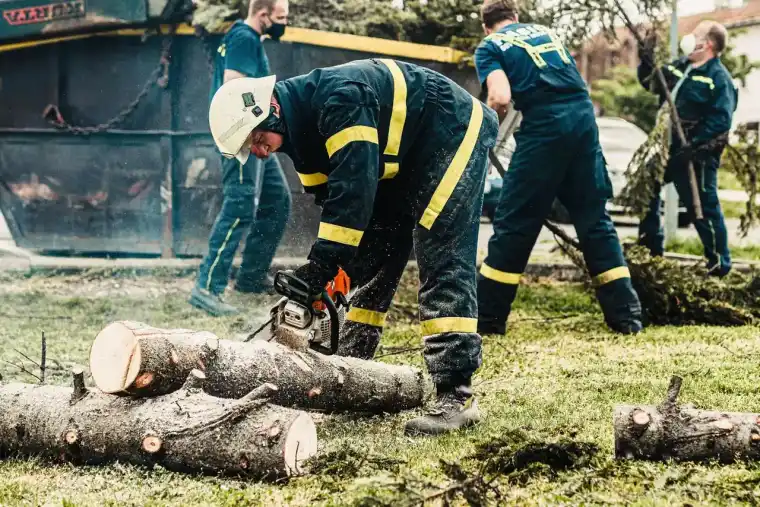
Tree Removal
Taking down a tree safely when it is dead, dying, or growing somewhere it cannot stay.
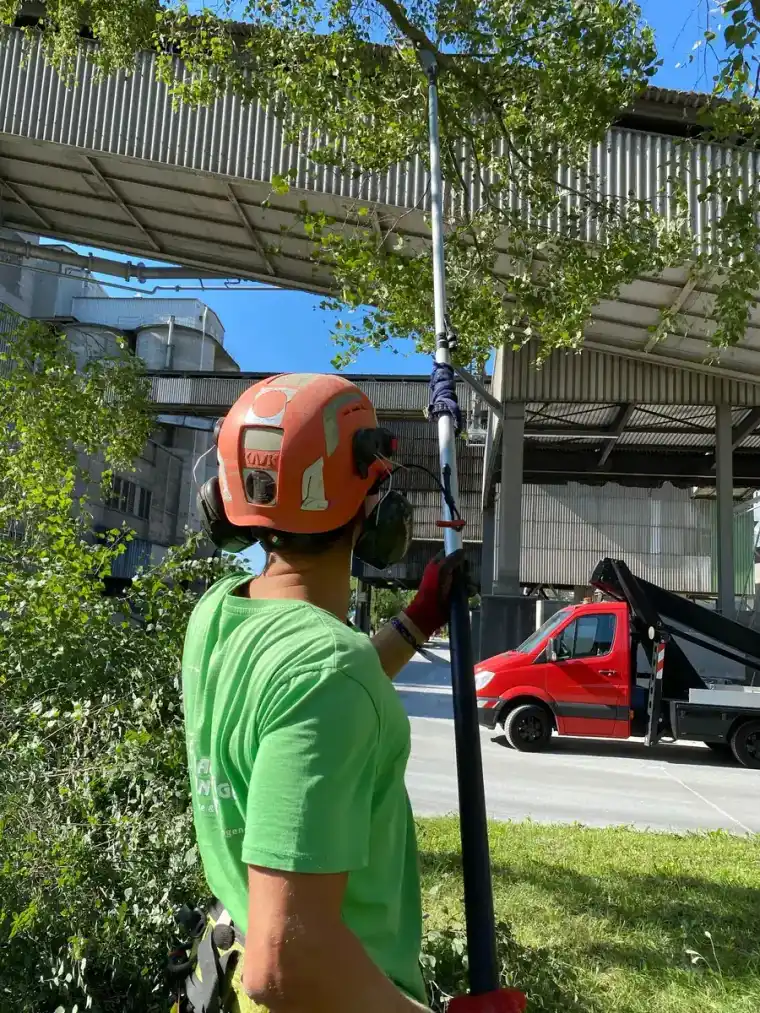
Tree Trimming
Clearing limbs off roofs, driveways, and power drops, and thinning canopies before storm season.
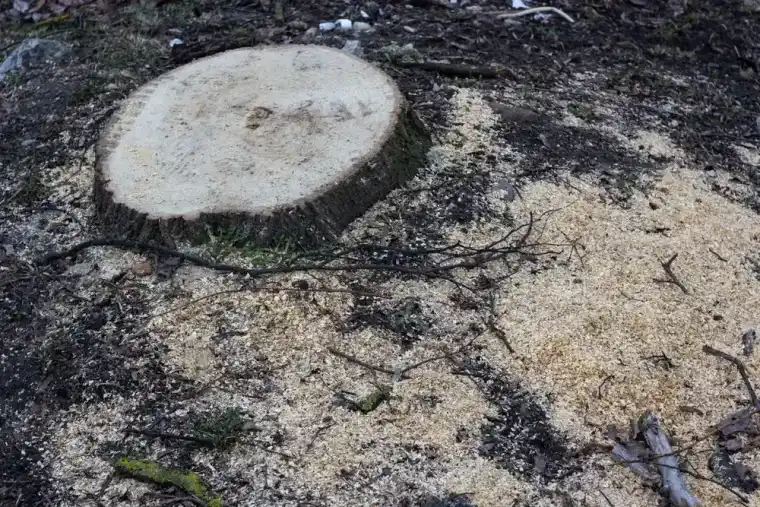
Stump Grinding
Grinding the stump below grade so you can mow over it, replant, or lay sod.
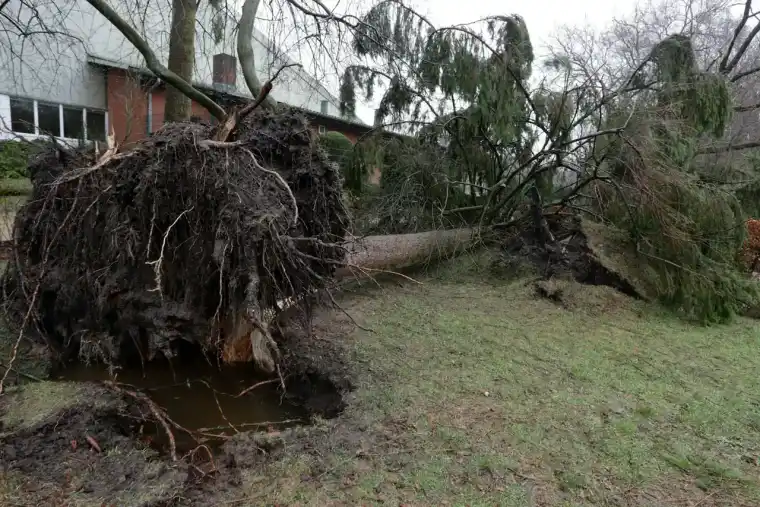
Emergency Tree Removal
A tree is on the house, across the drive, or leaning on a line. Call, do not fill out a form.
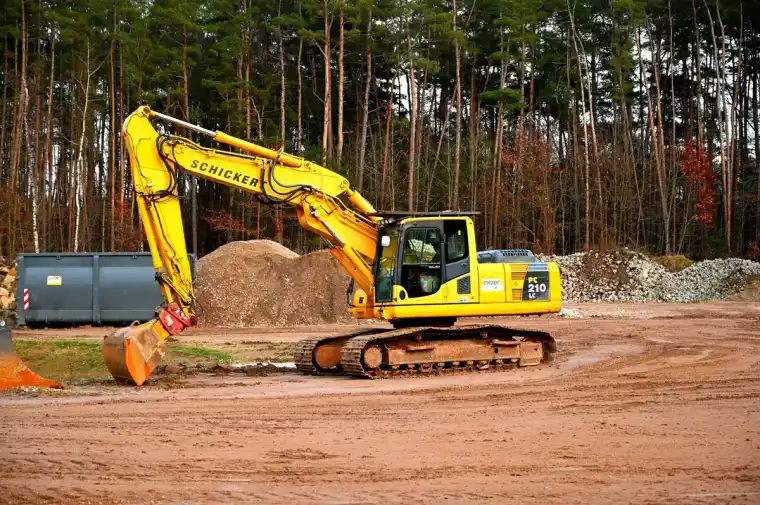
Land Clearing
Clearing acreage of trees, brush, and cedar so the ground can be used.
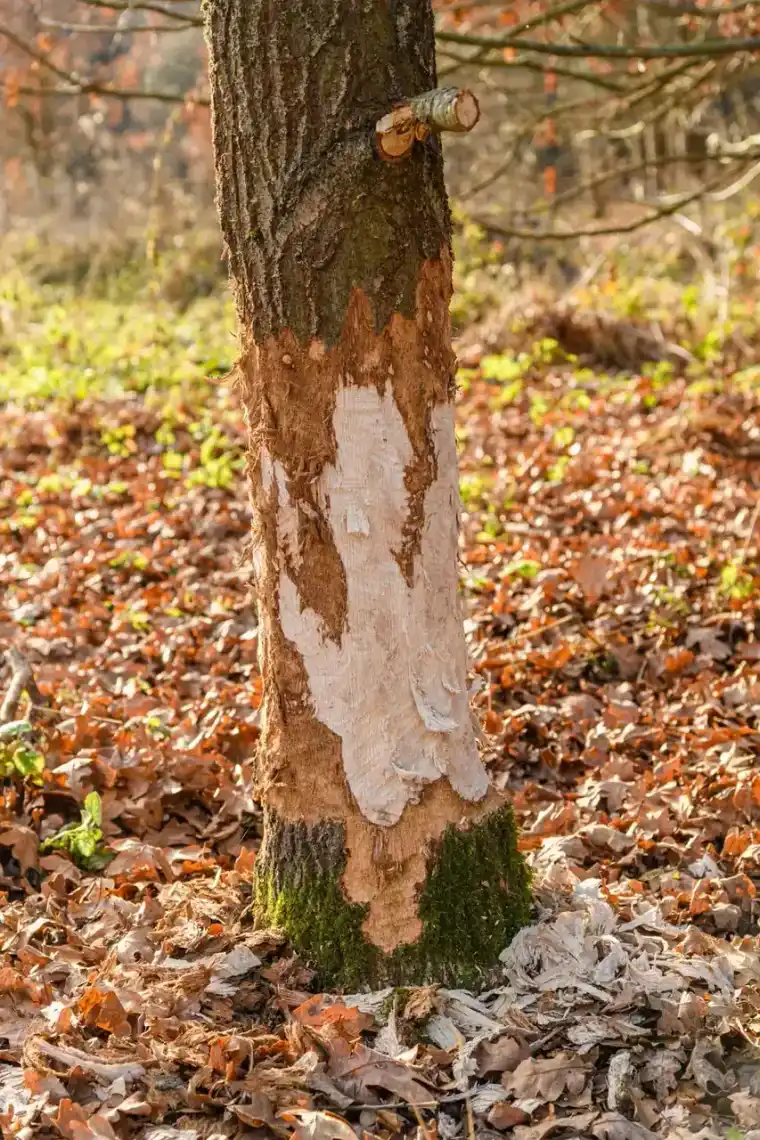
Hazard Tree Evaluation
A written evaluation of whether a specific tree is likely to fail, and what to do about it.
The town moved. The bottom ground did not.
Linwood is named for the linden trees that grew here, and it is one of very few towns in this part of Kansas that physically relocated to get away from a river. After the 1903 flood damaged the settlement, the town moved roughly a mile north out of the bottoms onto higher ground, which is where it sits today. The original site is still bottom ground, and bottom ground is where most of the tree work is.
Alluvial soil grows cottonwood to a size that turns removal into a rigging problem instead of a cutting one. A mature bottomland cottonwood carries enormous weight in single limbs, and the wood is soft enough that a limb which looks like a straightforward rigging pick can tear rather than hinge. It also anchors in soil that gives up its grip after a saturated week. On these properties, failures usually start at the root plate, not the trunk, and the warning sign is a crack or a lifted rim in the turf on the side away from the lean.
- Bottomland cottonwood fails at the root plate more often than at the stem
- Soft, fast-grown wood tears under rigging loads that hardwood would hold
- Look for lifted or cracked soil opposite the lean after a wet stretch
- Field access and ground conditions drive the equipment choice more than tree size does
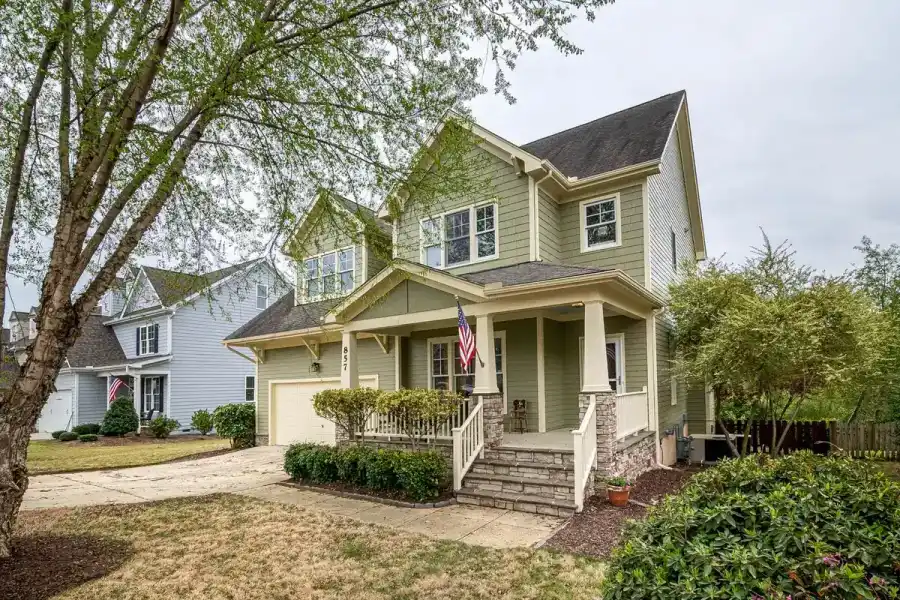
May 28, 2019, and what a tornado leaves standing
The tornado that crossed the Kansas River that evening intensified in the bottoms as it approached Linwood and was rated low-end EF4, with an official estimate of 170 miles per hour and a research probe measuring higher. Damage surveys recorded homes hit at EF3 intensity along K-32, a wholesale grower's facility leveled, and stubbed trees along 198th Street. Leavenworth County took roughly twenty-six million dollars in damage, with dozens of structures affected and nineteen destroyed. Nobody died.
Trees stubbed by a tornado are a specific long-term problem, not just an ugly one. A stem snapped mid-height sprouts a dense flush of new growth from dormant buds just below the break, and those sprouts attach shallowly to a stub that is already decaying from the open wound down. Five or six years on, that regrowth is heavy enough to catch wind and weakly enough attached to fail in an ordinary storm. If you have stubbed trees still standing from 2019, they are worth a look now rather than after the next one.
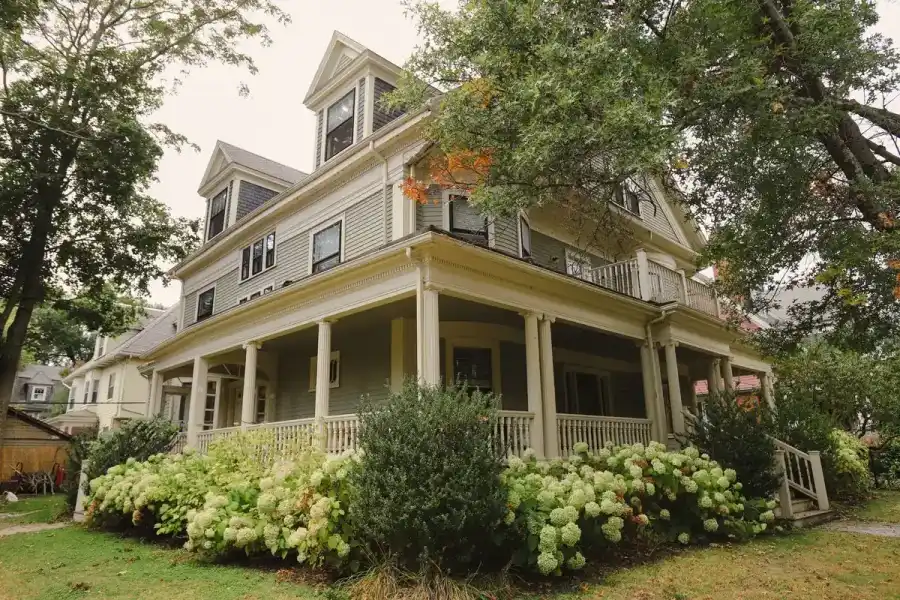
What Linwood's code expects of an owner
Linwood's trees and shrubs article follows the standard Kansas municipal pattern, with a section addressing dangerous, dead, or diseased trees on private property. Owners of trees overhanging a street or right of way are expected to prune so branches do not obstruct light from a street lamp or block the view of an intersection, and to maintain fourteen feet of clear space above the street or right of way. Dead, diseased, or dangerous trees and broken or decayed limbs that endanger the public are the owner's to remove. The city also reserves the right to prune private trees that interfere with street lighting or with visibility of a traffic control device or sign.
Because Linwood is a small town with a thin published code, confirm current specifics with City Hall before you rely on section-level detail. What does not change is the underlying exposure: outside city limits there is no code officer, and the decision about a hazard tree over your drive or your neighbor's fence is yours to make and yours to answer for.
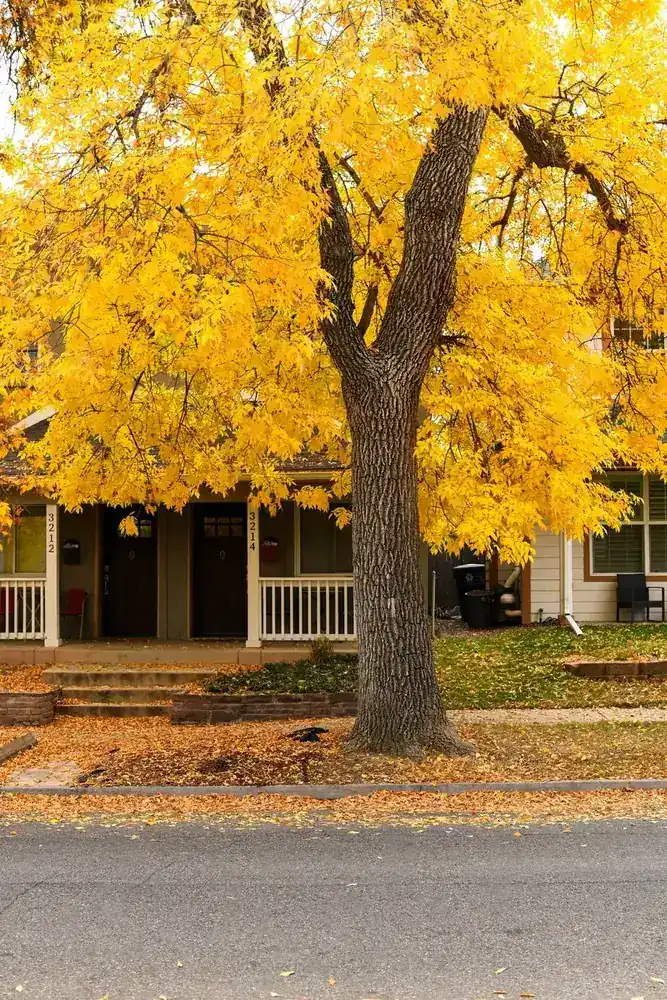
Booking work in Linwood
Linwood is about 25 minutes east from Lawrence and sits on our regular route through Leavenworth County. We run Topeka the same week. Estimates are free for tree removal and land clearing, you do not need to be home, and the written quote goes out the same day.
Linwood tree service questions
I still have trees that were topped off by the 2019 tornado. Are they safe?
Probably less safe now than they were the year after. Sprouts that regrow from below a snapped stem attach only to the outer layers and sit on top of a decay column that has been advancing since the break. As the regrowth gains sail area, the failure risk climbs. Some of those trees can be reduced and kept for a while. Some are better removed on a schedule than after another storm.
How much clearance does Linwood require over the street?
Fourteen feet above the street or right of way, plus branches that do not obstruct light from a street lamp or block the view of an intersection. The city also reserves the ability to prune a private tree that interferes with street lighting or with the visibility of a traffic sign or signal.
Do you take down large cottonwoods?
Regularly, and it is the main removal type in this area. The planning matters more than the cutting. Cottonwood limb weight and soft fiber mean pieces get sized smaller than the same reach on an oak would be, and rigging points are chosen with the assumption that the wood may tear. Where there is field access, a crane frequently ends up cheaper than a full day of piecing it out.
My yard was under water. What do I check?
Walk the base of every large tree looking for soil that has cracked, domed, or separated on the side opposite any lean. Then watch the canopy the following spring for late leaf-out, small leaves, or early color, all of which point to fine root loss. Neither signal is visible while the water is standing, and both matter more here than on upland ground.
Can I burn storm debris on my property?
Leavenworth County requires a burn permit, handled through the Sheriff's Office either online or by calling dispatch on the day you plan to burn, with a daytime window unless your township fire chief says otherwise. For storm volumes, a mulcher usually clears a property faster than a series of acceptable burn days will.
How far out is Linwood for you?
About twenty-five minutes east. Most of what we do out here is acreage and bottomland work rather than tight urban removals, so the crew and equipment we send are different from what goes to a Lawrence back yard.
Do you actually work in Linwood?
Yes. Linwood is about 25 minutes east from Lawrence, and it is on our regular route through Leavenworth County. We also run Topeka the same week.
What kinds of trees do you deal with in Linwood?
Mostly Cottonwood, Silver maple, Osage orange, and sycamore. River bottom farmland and acreages. Cottonwoods here get large enough that removal is a rigging problem rather than a cutting one. Those species drive tree removal and tree trimming here.
How fast can you get to Linwood after a storm?
After a widespread wind or ice event every crew in Leavenworth County is booked within hours, so we triage by hazard. Trees on houses are emergency tree removal. Blocked drives come next. Storm damage cleanup follows once nothing is under tension. Call and we will give you a real window rather than a hopeful one.
Is the estimate free?
Yes, and you do not need to be home. We walk the property for tree removal, stump grinding, or land clearing, take measurements, and send the written quote the same day.
Free estimate in Linwood
Free, no obligation. We call back within 15 minutes.
Got it.
We call back within 15 minutes during business hours.
That did not send. Call and we will take it down over the phone.
(785) 371-4859What you can hold us to
Four things we put in writing
These four lines go on every quote. If you want a reference first, call and ask. We will give you a name and a number.
-
Written price before we start
If we find rot or a hazard once the work starts, we stop and call you before anything changes.
-
Your property gets protected
Plywood and mats over turf. Drop zones planned around what sits underneath. After rain we come back another day rather than rut a wet lawn.
-
We leave it clean
Chips, limbs, and rounds go with us. The work area gets raked and blown down before the truck leaves. If you want the stump gone, that is a separate stump grinding line.
-
The wood from your tree stays if you want it
Say so before we start and the trunk gets cut into rounds and stacked. No charge.
Want a reference before you book? Call and ask . We will give you a name and a number.
What happens next
What happens after you write us
A written number before anyone touches a saw. The first step takes about 45 seconds.
-
Tell us about the tree
Three questions, about 45 seconds. Or call and skip the form.
-
We come look at it
We walk the property, check access, and write the quote on site. Free. You do not need to be home. Same visit for tree removal and stump grinding.
-
We do the work and clean up
The crew arrives in the window we quoted. Chips, limbs, and debris leave with us unless you want them kept. A pile already on the ground is debris hauling.
In a hurry? Call (785) 371-4859 and skip all three.
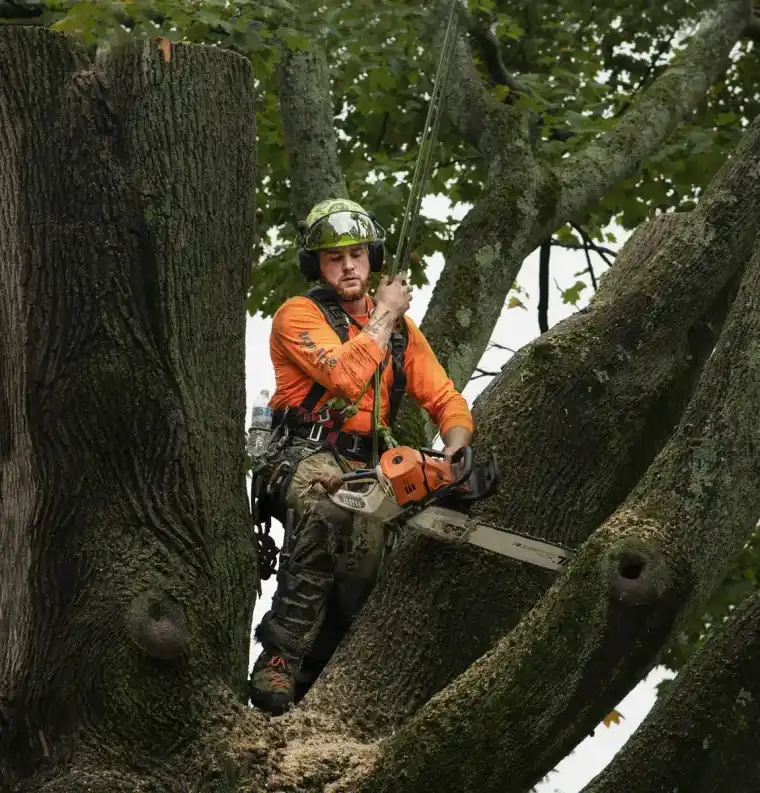
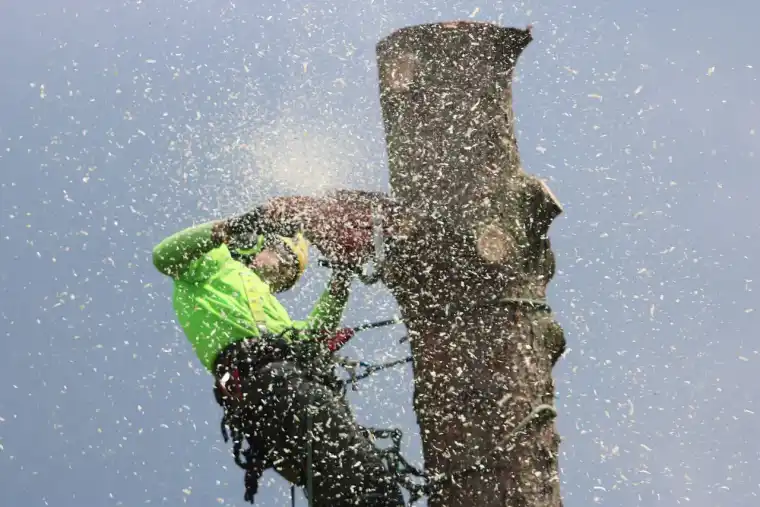
Tree work in and around Linwood
Other towns we cover
Coverage
Lawrence, Topeka, and everything between
We cover 14 towns across 5 counties. If your town is not pinned, call anyway. We are usually closer than you think.
- Home base
- 2229 Marvonne Rd
Lawrence, KS 66047 - Hours
- Mon to Fri