
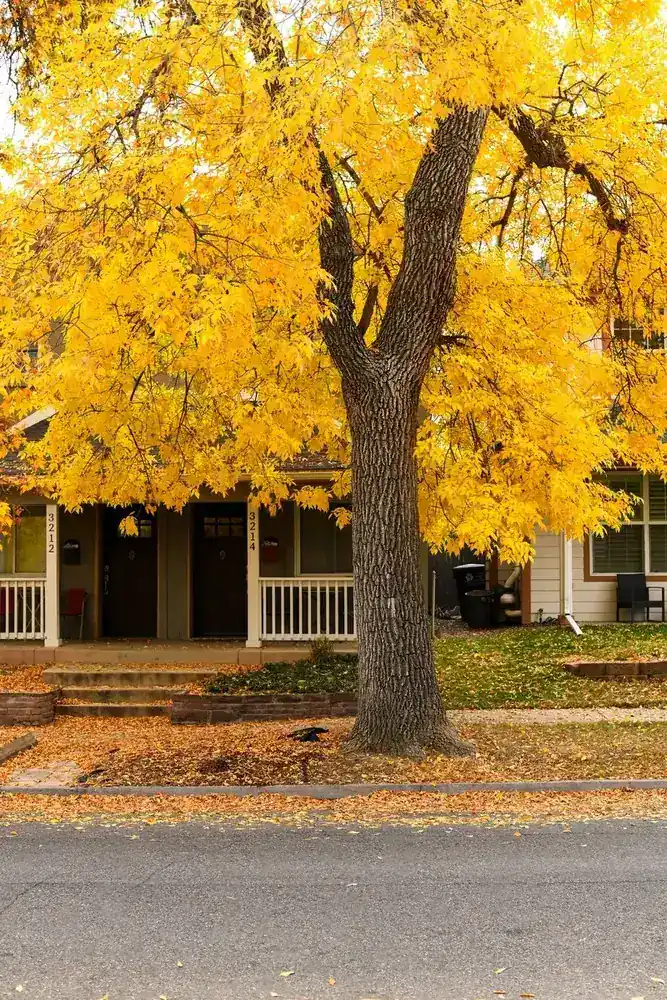
Shawnee County, Kansas
Tree Service in Auburn, KS
Rural Shawnee County with hedge rows and pasture timber. Clearing work here is usually measured in acres, not trees.
Free written estimates · Cleanup included · Monday to Friday, 8 to 5
Serving Auburn
What we get called for in Auburn
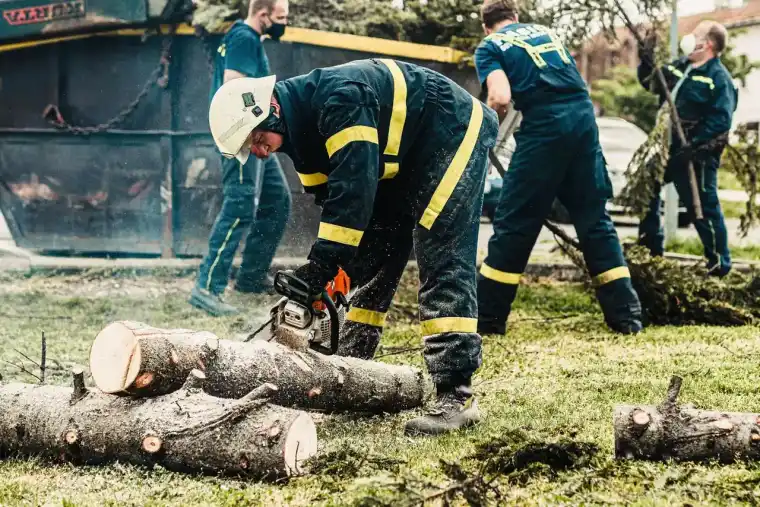
Tree Removal
Taking down a tree safely when it is dead, dying, or growing somewhere it cannot stay.
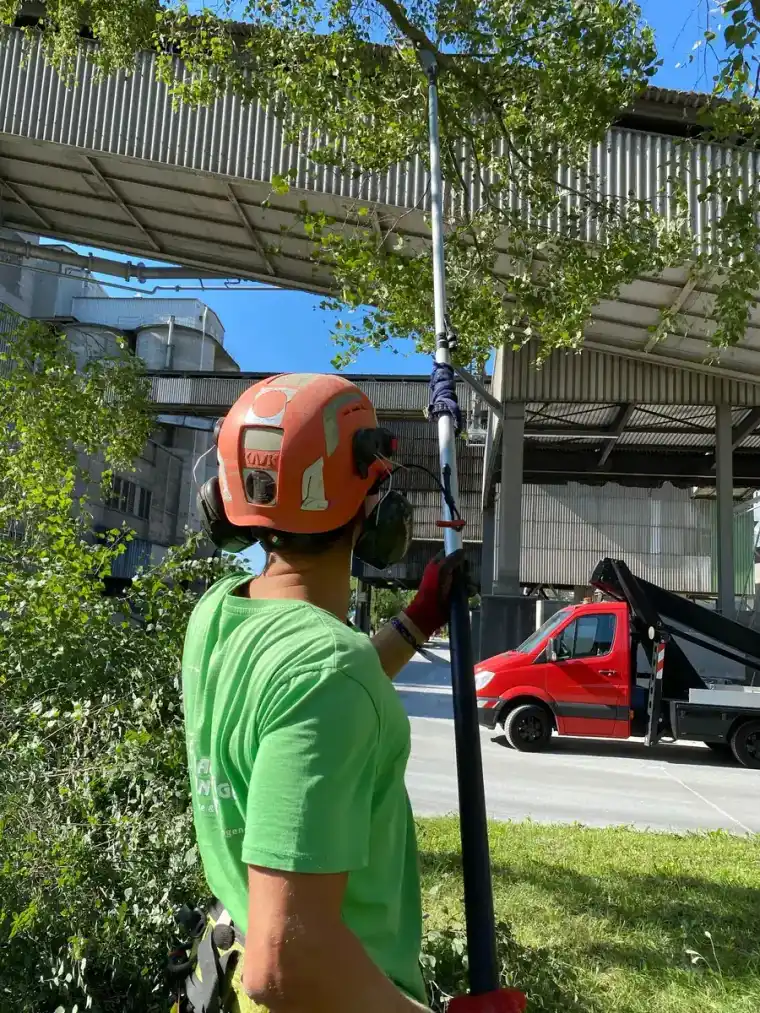
Tree Trimming
Clearing limbs off roofs, driveways, and power drops, and thinning canopies before storm season.
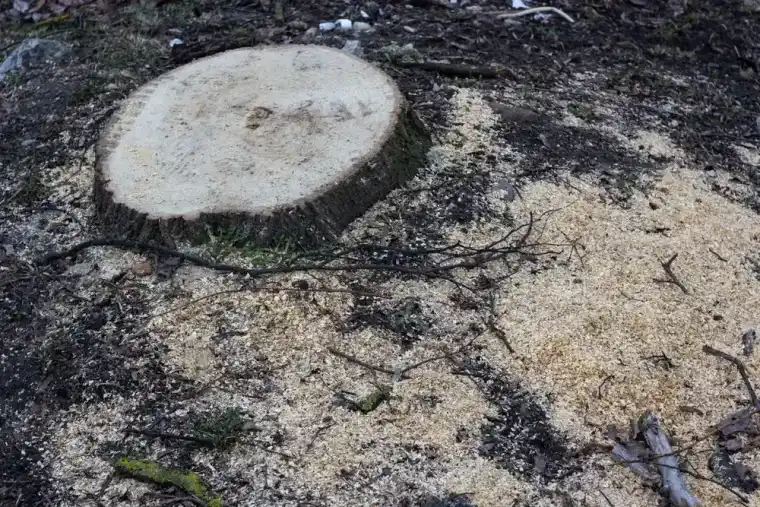
Stump Grinding
Grinding the stump below grade so you can mow over it, replant, or lay sod.
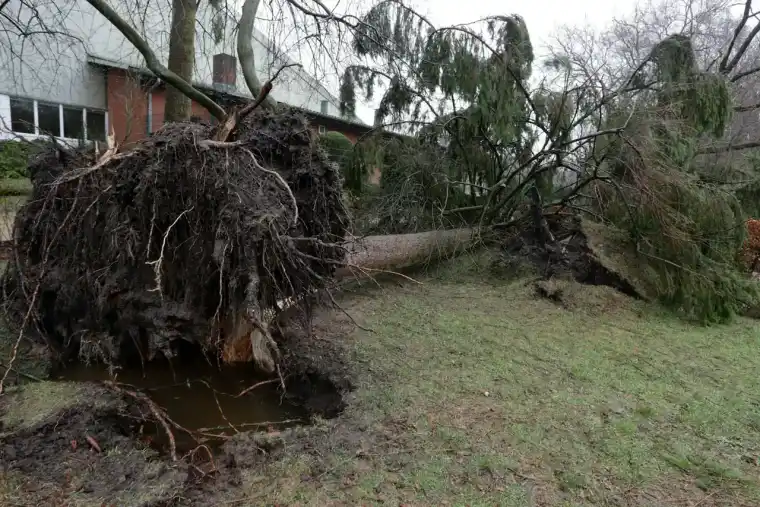
Emergency Tree Removal
A tree is on the house, across the drive, or leaning on a line. Call, do not fill out a form.
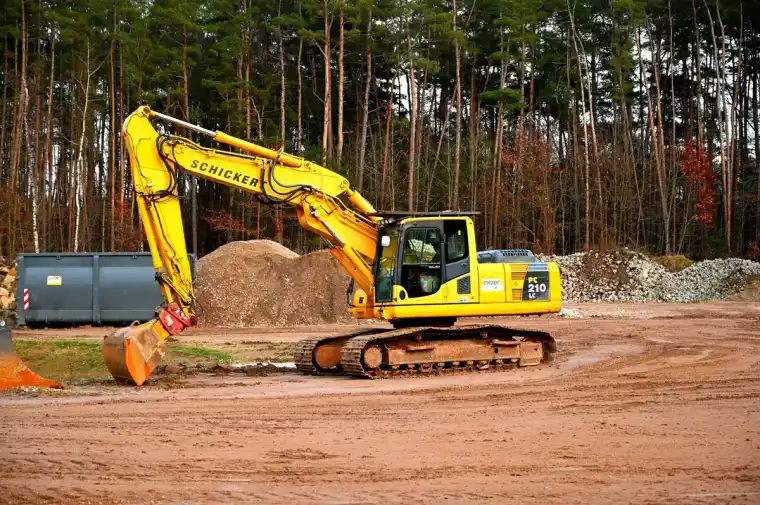
Land Clearing
Clearing acreage of trees, brush, and cedar so the ground can be used.
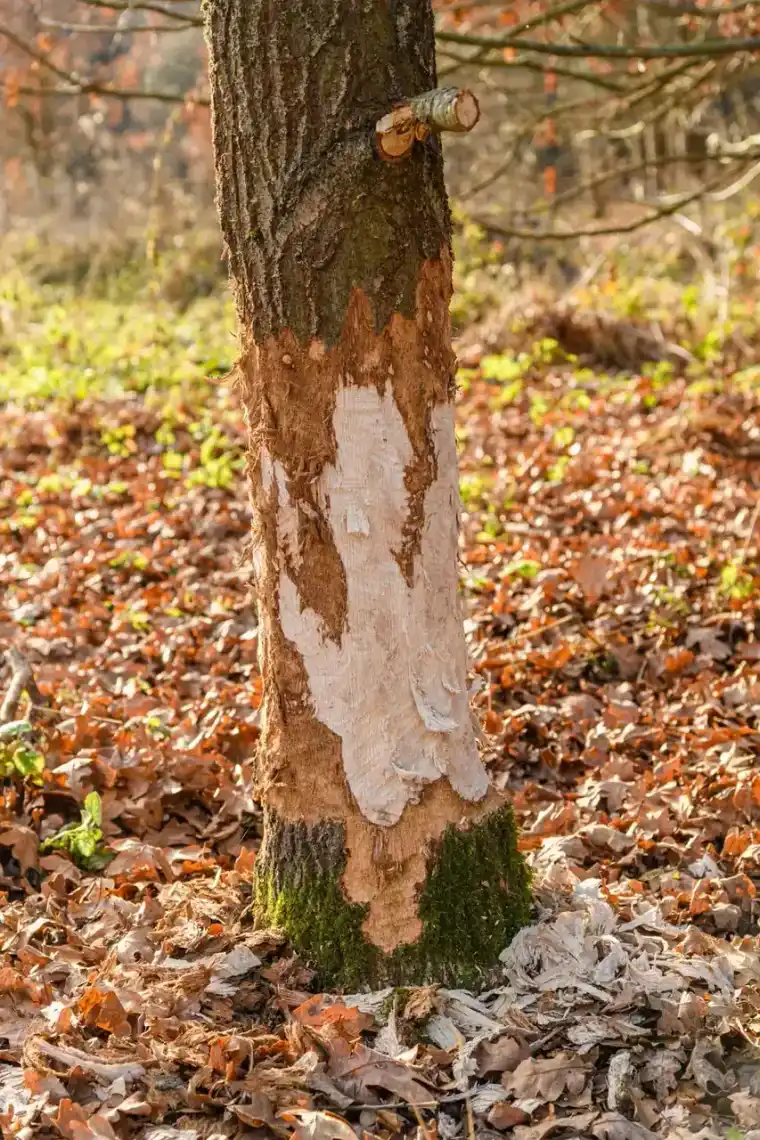
Hazard Tree Evaluation
A written evaluation of whether a specific tree is likely to fail, and what to do about it.
The 1966 tornado started here
The F5 that ran through Topeka on June 8, 1966 formed in the southwest corner of Shawnee County, near Auburn, around seven in the evening. It went on to cross Burnett's Mound, cut a path of roughly twenty-two miles through the city and the Washburn campus, kill seventeen people, and destroy more than eight hundred homes. Auburn was the beginning of that track, not the middle of it.
That geography is not a coincidence. Storms coming across the open upland southwest of Topeka organize on the way in, and rural property on this ground takes the leading edge of wind that the city gets after it has already crossed several miles of buildings. For a farmstead here that means the windbreak, the hedge row, and the pasture timber are the first structures the wind meets. Trees on the southwest corner of a property are the ones we look at hardest, because they carry loads that trees on the sheltered side of the same place will never see.
- Southwest-facing trees carry the most wind load on open upland property
- Windbreak gaps accelerate wind rather than slowing it
- Deadwood in an exposed crown is the first thing to come out of it in a storm
- Reduction on the windward side lowers sail area without wrecking tree form
Shallow soil over limestone changes how trees hold on
Auburn sits south of the Kansas River in the Osage Cuestas, a landscape of limestone and shale ridges with valleys between them, draining toward the Wakarusa. This is upland, not river bottom, and the difference shows in the trees. On a ridge, soil depth over rock can be limited, which means a root system spreads wide and shallow because it has nowhere else to go.
Trees on thin soil over limestone tend to hold well through dry years and then let go under a combination of saturated ground and hard wind, because there is no deep anchor to fall back on. Bur oak and Osage orange do this ground better than most species, which is why they dominate the hedge and the pasture timber. Eastern redcedar does it well enough to become a problem, seeding into pasture from bird-carried fruit and steadily taking over ground that used to be grass.
Clearing by the acre, and what the ordinance still expects
Most of the work out here is measured in acres rather than in trees. Forestry mulching handles cedar encroachment and brushy fence lines in a single pass and leaves the material on the ground as mulch, which is the outcome most landowners want anyway. Larger trees get cut and either mulched or stacked for firewood. What we do not do is push material into a pile and leave it for someone else to deal with.
Inside city limits the code still applies. Auburn's ordinance gives the city the right to cause removal of dangerous, dead, or diseased trees on private property when they are a hazard to life and property, handles notice through a police officer or certified mail, and puts the chief of police in charge of getting the work done if an owner does not comply. Cut material from a diseased tree has to be treated, removed, or burned immediately rather than sitting on the premises. The city covers the cost of removing dead trees within a public right of way. Burning anything in Shawnee County requires an open burning permit.
Booking work in Auburn
Auburn is about 40 minutes southwest from Lawrence and sits on our regular route through Shawnee County. We run Topeka the same week. Estimates are free for tree removal and land clearing, you do not need to be home, and the written quote goes out the same day.
Auburn tree service questions
Does Auburn have a tree ordinance?
Yes. Inside city limits, the code lets the city require removal of dangerous, dead, or diseased trees on private property that are a hazard to life and property, sets pruning duties for trees overhanging streets, and specifies that nothing be planted within ten feet of a fire hydrant. The city bears the cost of removing dead trees within a public right of way. Outside city limits, none of that reaches you.
How do I stop cedar from taking over my pasture?
Cedar spreads from bird-dropped seed and establishes fast where fire and grazing pressure are absent. Mechanical control works, and the timing that matters is doing it while trees are small enough to mulch rather than cut. Once a stand is established, forestry mulching clears it in a pass and leaves the material as ground cover. Follow-up on seedlings for a couple of seasons is what keeps it cleared.
Do I need a burn permit in Shawnee County?
Yes. Essentially all outdoor fires in the county require an open burning permit, with cooking fires in a grill or similar container as the exception. Fire districts issue permits, and some issue long-term ones in person. For acreage clearing, mulching the material avoids both the permit and the wait for a day with acceptable wind.
How should I trim a windbreak that has gaps in it?
Close the gaps first, before doing anything cosmetic. Wind accelerates through a breach in a windbreak, so a row with holes in it can do less good than no row at all in the wrong spot. Remove the failed trees, replant into the openings, and stage the rest of the renewal over several years so the break keeps working while replacements establish.
How far is Auburn from Lawrence?
About forty minutes southwest. Clearing work here is usually a multi-day commitment rather than a single visit, so it gets scheduled as a block. Storm and hazard calls run on a different track.
My hedge row is grown into the fence. Can it be cleared without losing the fence?
Yes, with a slower method. Stems get dropped back into the field rather than across the wire, cleanup near the line happens by hand or with the mulcher head set shallow, and we work with the assumption that old wire is buried inside the trunks, because in a hedge row this old it usually is.
Do you actually work in Auburn?
Yes. Auburn is about 40 minutes southwest from Lawrence, and it is on our regular route through Shawnee County. We also run Topeka the same week.
What kinds of trees do you deal with in Auburn?
Mostly Osage orange, Eastern redcedar, Bur oak, and honeylocust. Rural Shawnee County with hedge rows and pasture timber. Clearing work here is usually measured in acres, not trees. Those species drive tree removal and tree trimming here.
How fast can you get to Auburn after a storm?
After a widespread wind or ice event every crew in Shawnee County is booked within hours, so we triage by hazard. Trees on houses are emergency tree removal. Blocked drives come next. Storm damage cleanup follows once nothing is under tension. Call and we will give you a real window rather than a hopeful one.
Is the estimate free?
Yes, and you do not need to be home. We walk the property for tree removal, stump grinding, or land clearing, take measurements, and send the written quote the same day.
Free estimate in Auburn
Free, no obligation. We call back within 15 minutes.
Got it.
We call back within 15 minutes during business hours.
That did not send. Call and we will take it down over the phone.
(785) 371-4859What you can hold us to
Four things we put in writing
We are new to Google, so we are not going to point at a review count we have not earned yet. These are the commitments that show up on every quote instead.
-
Written price before we start
If we find rot or a hazard once the work starts, we stop and call you before anything changes. Same rule on tree removal and tree trimming.
-
Your property gets protected
Plywood and mats over turf, drop zones planned around what is underneath, and we reschedule instead of rutting a wet Lawrence or Topeka lawn.
-
We leave it clean
Chips, limbs, and rounds go with us. The work area gets raked and blown down before the truck leaves. A leftover pile is debris hauling. The stump is stump grinding if you want it gone.
-
The firewood is yours if you want it
Say so before we start and the trunk gets cut into rounds and stacked instead of leaving on the truck. No charge. That is part of a tree removal quote, not a separate surprise.
Want a reference before you book? Call and ask . We will give you a name and a number.
What happens next
Three steps, and the first one takes 45 seconds
No sales visit, no pressure, and a written number before anyone touches a saw.
-
-
We come look at it
We walk the property, check access, and write the quote on site. Free, and you do not need to be home. Tree removal, tree trimming, and stump grinding all get quoted that way.
-
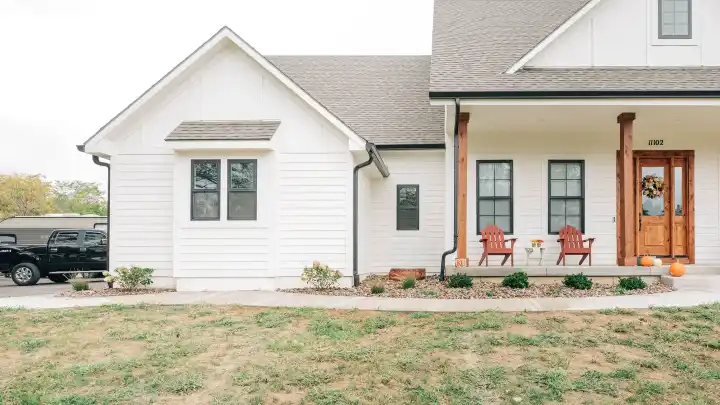
We do the work and clean up
Crew arrives in the window we quoted. Chips, limbs, and debris leave with us unless you want them kept. Storm jobs follow emergency tree removal first, then cleanup.
In a hurry? Call (785) 371-4859 and skip all three.
Tree work in and around Auburn
Other towns we cover
Coverage
Lawrence, Topeka, and everything between
We cover 14 towns across 5 counties. If your town is not pinned, call anyway. We are usually closer than you think.
- Home base
- 2229 Marvonne Rd
Lawrence, KS 66047 - Hours
- Mon to Fri