
Shawnee County, Kansas
Tree Service in Silver Lake, KS
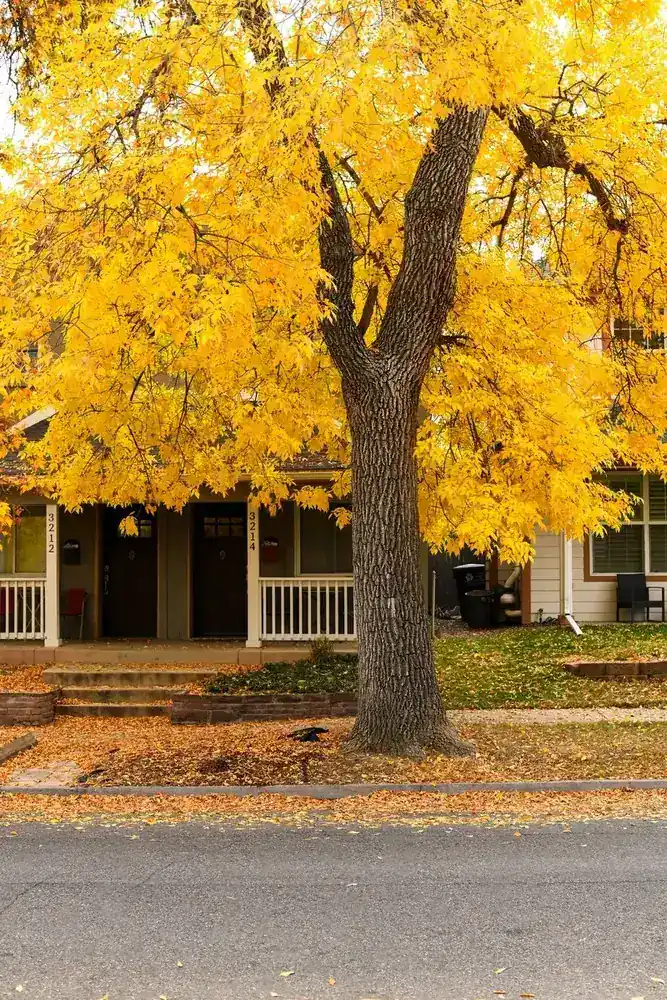
Kaw valley farmland with windbreak rows of eastern redcedar, most of them planted at the same time and now aging out together.
Free written estimates · Cleanup included · Monday to Friday, 8 to 5
Serving Silver Lake
What we get called for in Silver Lake
Tree Removal
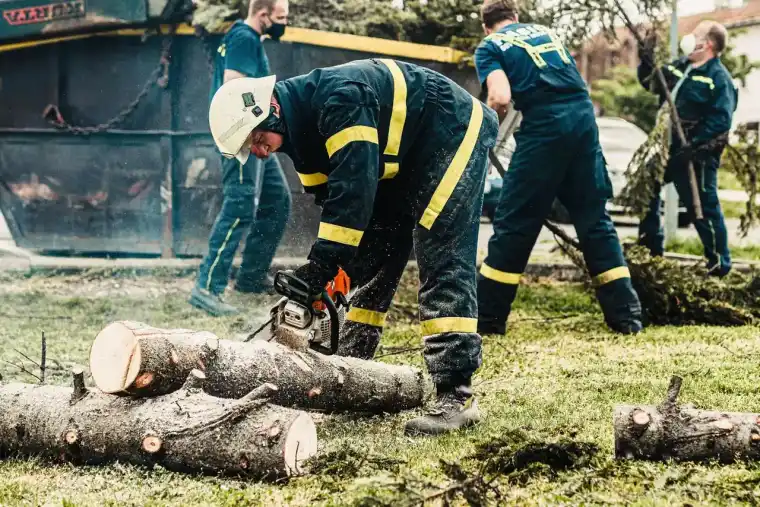
Taking down a tree safely when it is dead, dying, or growing somewhere it cannot stay.
Tree Trimming
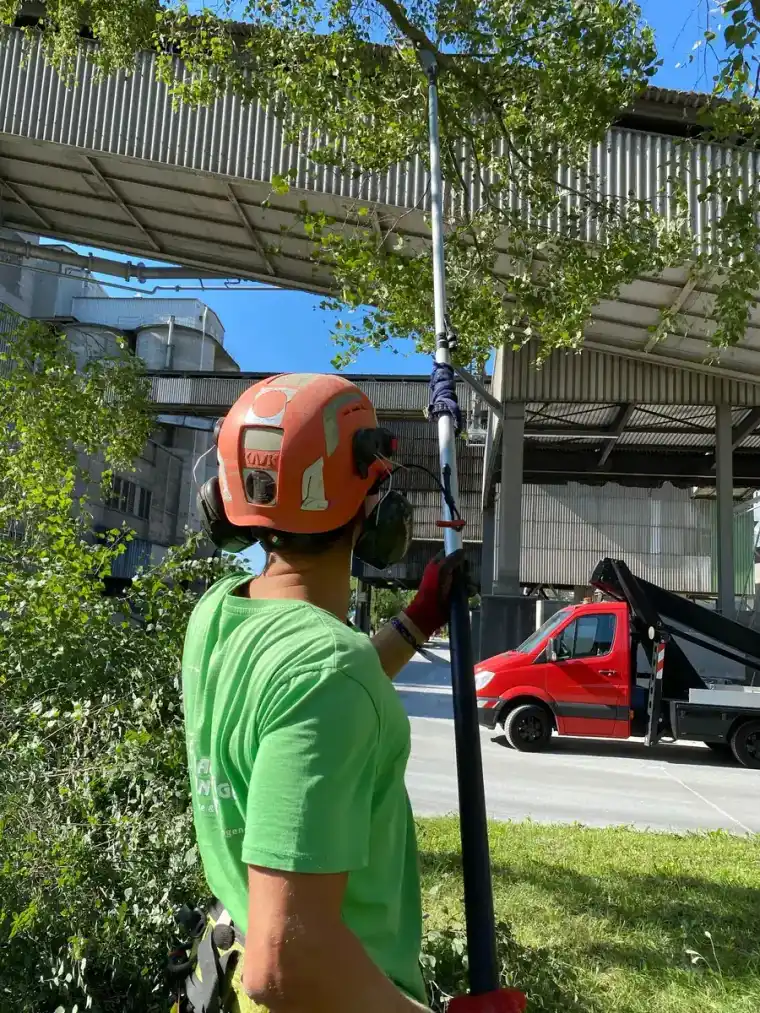
Clearing limbs off roofs, driveways, and power drops, and thinning canopies before storm season.
Stump Grinding
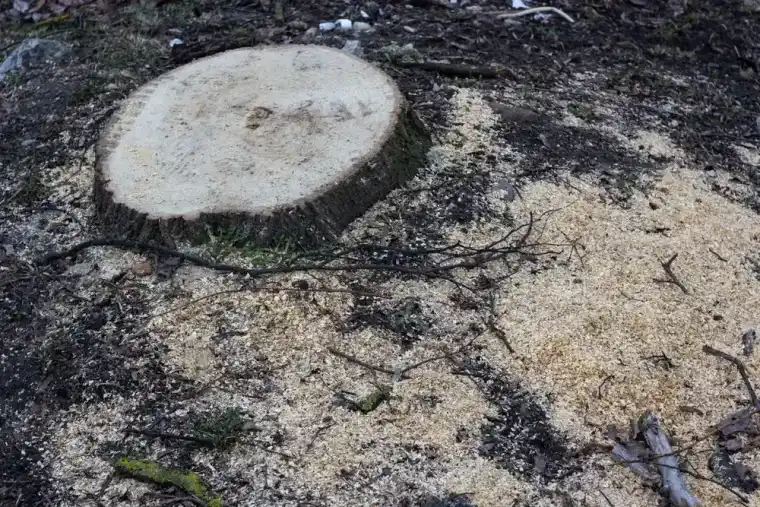
Grinding the stump below grade so you can mow over it, replant, or lay sod.
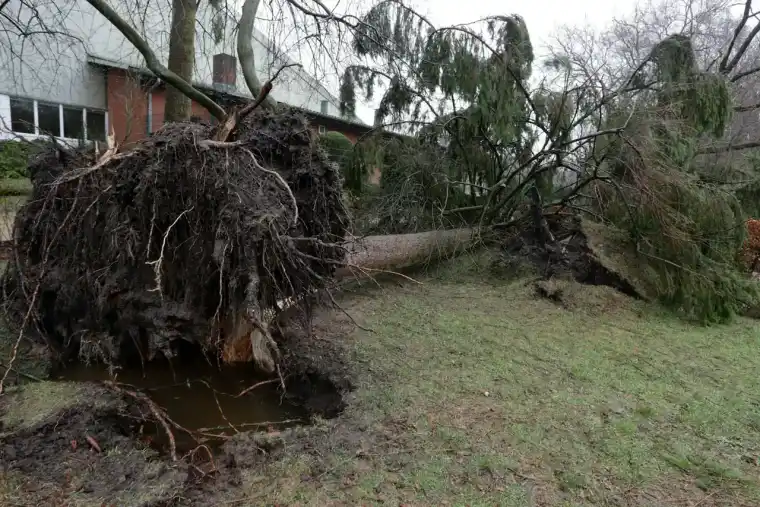
Emergency Tree Removal
A tree is on the house, across the drive, or leaning on a line. Call, do not fill out a form.
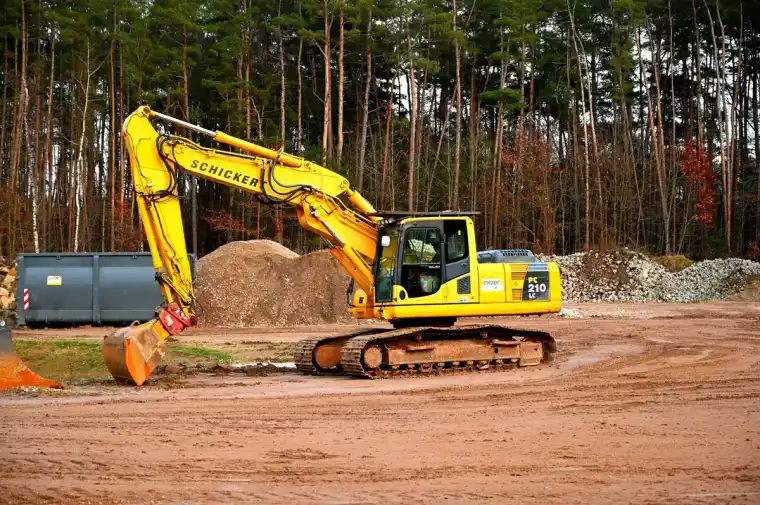
Land Clearing
Clearing acreage of trees, brush, and cedar so the ground can be used.
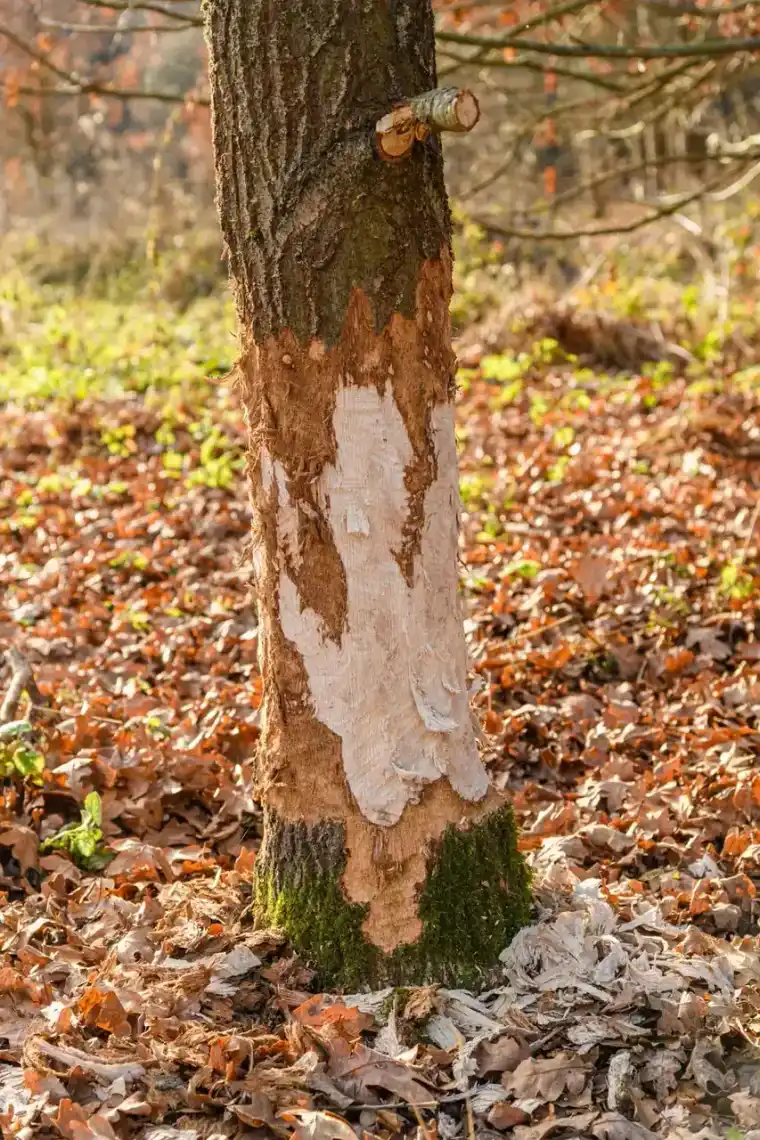
Hazard Tree Evaluation
A written evaluation of whether a specific tree is likely to fail, and what to do about it.
Sixty days, and a lab test
Silver Lake's trees and shrubs article is more procedural than most small-town codes, and the timelines are explicit. When the city determines a tree on private property is dangerous, dead, or diseased and a hazard to life and property, the owner gets written notice and has sixty days from service of that notice to remove it at their own expense. Unpaid removal costs get certified to the county clerk and placed on the tax roll.
The diseased-tree process is more formal still. It starts from a written statement based on a laboratory test rather than a judgment call, notice is served by a police officer or by certified mail, and if the owner does not comply the chief of police is the one who has the work done. Cut material has to be removed or burned immediately to stop the disease from spreading. There is also a clearance rule of eight feet over sidewalks and fourteen feet over streets and alleys, and nothing may be planted within ten feet of a fire hydrant.
- Sixty days from written notice to remove a dangerous, dead, or diseased tree
- Diseased-tree determinations start from a written statement based on a lab test
- Eight feet clear over sidewalks, fourteen over streets and alleys
- No plantings within ten feet of a fire hydrant
The lake is an old channel of the Kaw
Silver Lake itself is an oxbow, about fourteen acres of water left behind when the Kansas River cut a new course and abandoned the old one. The town was platted on the north bank, and the river has since moved roughly a quarter mile further south. That history explains the ground: everything here sits on river-deposited soil, deep and productive, and holding water long after a rain.
The effect on trees is consistent. Growth is fast, silver maple and cottonwood get large in a hurry, and anchoring is only as good as the soil moisture allows. In 1951 the Kansas River flood inundated Silver Lake along with Rossville and Tecumseh, with the Kaw cresting at Topeka more than fourteen feet above flood stage. Any tree standing on this ground has spent generations trading fast growth for shallow, wide root systems in soft soil, and that trade shows up during windstorms rather than during droughts.
Windbreak rows planted together fail together
The eastern redcedar windbreaks around Silver Lake were mostly planted in single efforts, one row at a time, which means the trees in them are the same age and reach the end of their useful life within a few years of each other. A row that has protected a farmstead for decades starts opening up at the base, loses interior branches to shade, and then begins losing whole trees. The gaps are the real problem: wind funnels through a breach in a windbreak faster than it moves over open ground, which is how one dead cedar turns into a damaged outbuilding.
The fix is staged rather than wholesale. We take the failing trees out in sections and replant into the gaps rather than clearing the whole row and starting over, so the break keeps working while the replacement establishes. Where a row has to come out entirely, mulching in place is usually the cleanest disposal, since cedar chips stay on the property instead of becoming a burn pile that needs a Shawnee County permit and a day with the right wind.
Booking work in Silver Lake
Silver Lake is about 40 minutes northwest from Lawrence and sits on our regular route through Shawnee County. We run Topeka the same week. Estimates are free for tree removal and land clearing, you do not need to be home, and the written quote goes out the same day.
Silver Lake tree service questions
The city sent me a letter about a dead tree. How long do I have?
The code gives sixty days from service of the notice to remove the tree at your own expense. If it is not done, the city can have the work performed and the unpaid cost gets certified to the county clerk and placed on the tax roll. Sixty days is enough room to get a real quote and schedule properly rather than paying an emergency rate.
How high do branches have to be over the sidewalk?
Eight feet over a sidewalk and fourteen feet over a street or alley. Branches also may not obstruct light from a street lamp or block the view of an intersection, so a tree can clear the height and still need work.
Should I replace my whole windbreak at once?
Usually not. Taking a whole row out leaves the farmstead unprotected for the decade it takes replacements to reach useful height. Staged removal, where the failing trees come out in sections and replacements go into the gaps, keeps the break functioning while it renews. It also spreads the cost across several years instead of one.
Do I need a permit to burn the brush pile?
In Shawnee County essentially all outdoor burning requires an open burning permit, with cooking fires in a grill as the practical exception. Fire districts issue them and some issue long-term permits in person. On most windbreak and clearing jobs we mulch the material on site instead, which leaves the organic matter on your ground and skips the permit and the wind forecast.
Why do trees here uproot instead of snapping?
Because the soil gives before the wood does. River-deposited ground holds water and softens, and a fast-grown silver maple or cottonwood puts up a large crown on a wide but shallow root plate. Under load the plate rotates, the trunk stays intact, and the tree lies over with a disc of turf standing on edge. On harder upland soil the same wind would break a limb instead.
How long is the drive from Lawrence?
About forty minutes northwest, past Topeka on US-24. It is far enough that we batch scheduled work here into planned trips, so booking a few weeks out gets you a better slot than calling on a Monday for a Wednesday.
Do you actually work in Silver Lake?
Yes. Silver Lake is about 40 minutes northwest from Lawrence, and it is on our regular route through Shawnee County. We also run Topeka the same week.
What kinds of trees do you deal with in Silver Lake?
Mostly Eastern redcedar, Cottonwood, Silver maple, and hackberry. Kaw valley farmland with windbreak rows of eastern redcedar, most of them planted at the same time and now aging out together. Those species drive tree removal and tree trimming here.
How fast can you get to Silver Lake after a storm?
After a widespread wind or ice event every crew in Shawnee County is booked within hours, so we triage by hazard. Trees on houses are emergency tree removal. Blocked drives come next. Storm damage cleanup follows once nothing is under tension. Call and we will give you a real window rather than a hopeful one.
Is the estimate free?
Yes, and you do not need to be home. We walk the property for tree removal, stump grinding, or land clearing, take measurements, and send the written quote the same day.
Free estimate in Silver Lake
Free, no obligation. We call back within 15 minutes.
Got it.
We call back within 15 minutes during business hours.
That did not send. Call and we will take it down over the phone.
(785) 371-4859What you can hold us to
Four things we put in writing
We are new to Google, so we are not going to point at a review count we have not earned yet. These are the commitments that show up on every quote instead.
-
Written price before we start
If we find rot or a hazard once the work starts, we stop and call you before anything changes. Same rule on tree removal and tree trimming.
-
Your property gets protected
Plywood and mats over turf, drop zones planned around what is underneath, and we reschedule instead of rutting a wet Lawrence or Topeka lawn.
-
We leave it clean
Chips, limbs, and rounds go with us. The work area gets raked and blown down before the truck leaves. A leftover pile is debris hauling. The stump is stump grinding if you want it gone.
-
The firewood is yours if you want it
Say so before we start and the trunk gets cut into rounds and stacked instead of leaving on the truck. No charge. That is part of a tree removal quote, not a separate surprise.
Want a reference before you book? Call and ask . We will give you a name and a number.
What happens next
Three steps, and the first one takes 45 seconds
No sales visit, no pressure, and a written number before anyone touches a saw.
-
-
We come look at it
We walk the property, check access, and write the quote on site. Free, and you do not need to be home. Tree removal, tree trimming, and stump grinding all get quoted that way.
-
We do the work and clean up
Crew arrives in the window we quoted. Chips, limbs, and debris leave with us unless you want them kept. Storm jobs follow emergency tree removal first, then cleanup.
In a hurry? Call (785) 371-4859 and skip all three.
Tree work in and around Silver Lake
Coverage
Lawrence, Topeka, and everything between
We cover 14 towns across 5 counties. If your town is not pinned, call anyway. We are usually closer than you think.
- Home base
- 2229 Marvonne Rd
Lawrence, KS 66047 - Hours
- Mon to Fri