
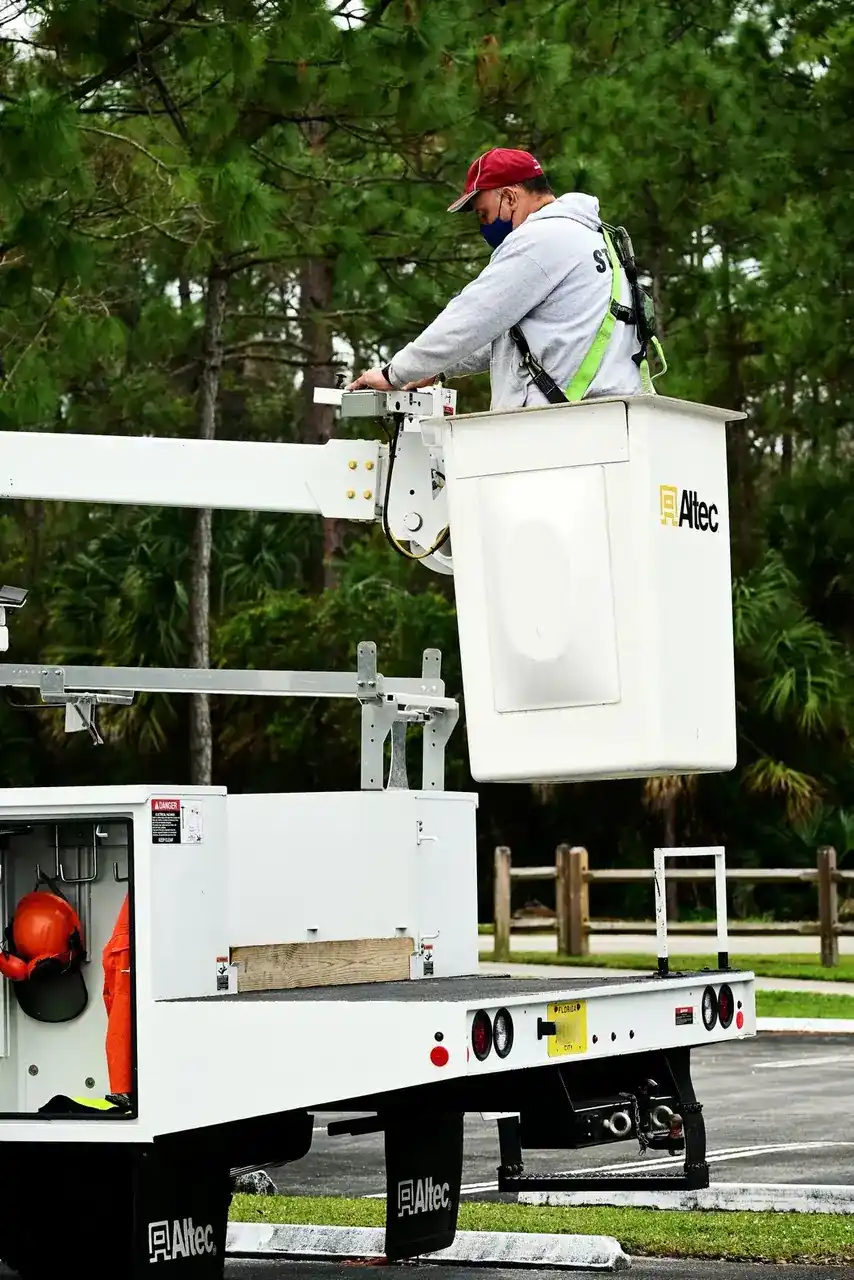
Commercial
Commercial Tree Care in Lawrence and Topeka
Commercial work runs on paperwork as much as chainsaws. A written scope and price for every work order, sections staged so the lot and the entrances stay usable while we are on site, and a dated record of every inspection so there is a file if a limb ever comes down on a customer's car.
Free written estimates · Cleanup included · Monday to Friday, 8 to 5
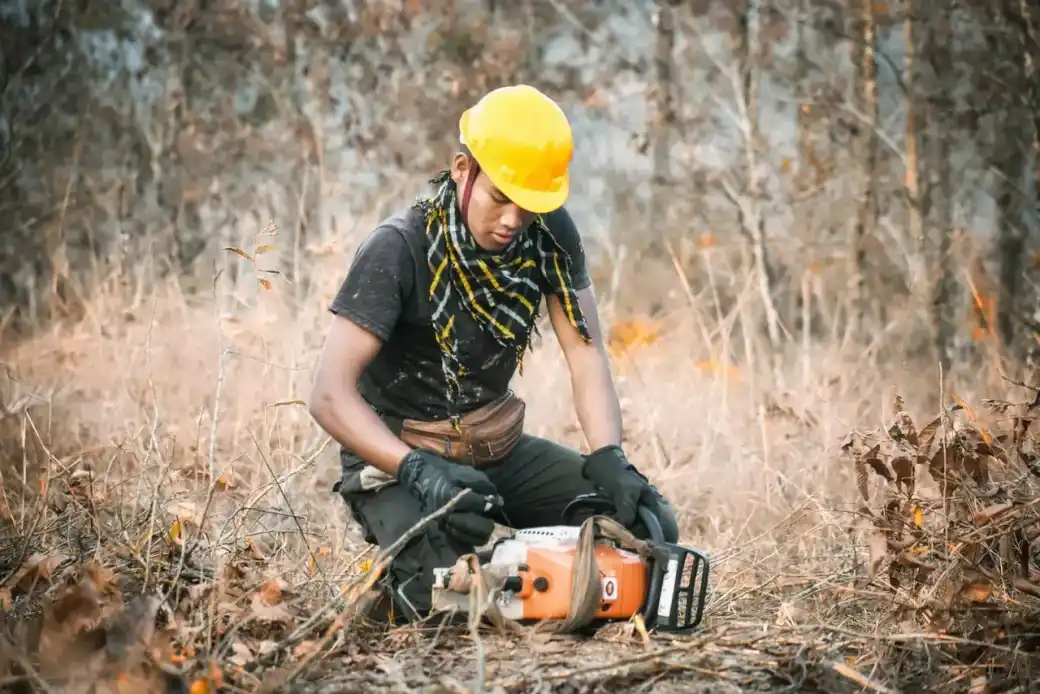
What the job includes
- A written scope and price for every work order, before the crew arrives
- Work staged in sections so lots and entrances stay usable while we are on site
- Documented inspections on a set cycle
- One point of contact and consolidated invoicing across properties
The paperwork is half the job
A commercial account is evaluated by a risk manager and an accounts payable department before it is evaluated by anyone who cares about trees. A W-9 on file, a written scope and price on every work order, and documentation that arrives without being chased are the parts of the job that happen before a saw ever runs. Tell us what your vendor file requires and what your contract language asks for, and we will tell you plainly what we can put in it.
Kansas has no state licensing requirement for tree removal companies, so there is no license number for a vendor qualification file to verify. What a property can hold a contractor to is the written scope on each work order, an agreed rate structure, and a dated record of what was inspected, what was recommended, and what was done. That is the part that goes in your file and gets kept current.
A written scope also stops the cost from moving. The quoted number is the invoiced number, hauling and cleanup are inside it rather than added afterward, and when a crew opens up rot or finds a hazard the quote did not account for, work stops and your contact gets a call before anything changes.
- W-9 and vendor packet completed before the first work order
- Written scope and price on every work order, and the quoted number is the invoiced number
- Cleanup and haul off inside the price rather than added at the end
- Before and after photographs filed against each work order
- One contact for scheduling and billing questions
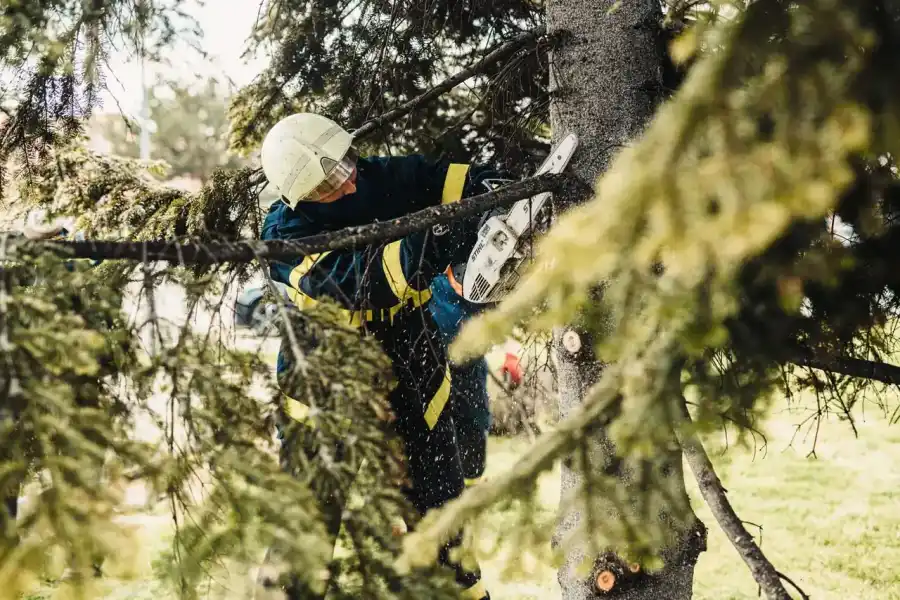
Scheduling around an operating property
Tree work closes off space. A drop zone under a sixty foot silver maple in a parking lot is a section of that lot nobody parks in for the day, and the chipper and truck take more. On a retail property that is a real revenue problem, which is why the phasing gets agreed before anyone is scheduled.
We work Monday through Friday, 8 to 5, so the lever is phasing rather than working the site at night. Retail centers and restaurants get the slowest part of the day. Medical and industrial properties get whatever window keeps the ambulance bay or the dock clear. Multifamily gets resident notice ahead of the crew. Where a lot cannot lose more than a row at a time, we take it a row at a time and come back.
Phasing matters as much as timing. On a large lot we work in sections so only one row is coned at a time, put down cones and tape rather than leaving an open drop zone, and pull equipment off the surface before the lot has to function again. The site plan and the phasing get agreed before the crew is scheduled, not on the morning of.
- Work windows agreed by site so entrances and drive aisles stay usable
- Work phased by section so only part of a lot is out of service at a time
- Cones, tape, and signage set for the duration, not just while the saw is running
- Tenant and resident notice sent ahead of the crew
- Ground protection over turf, curbs, and irrigation heads
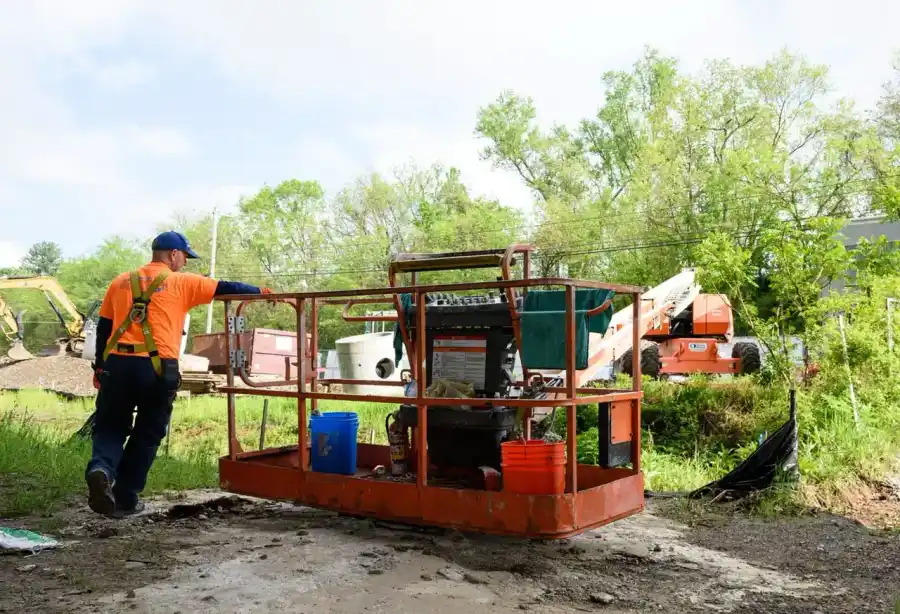
Documented inspection cycles
The reason to inspect on a schedule is not the trees. It is the record. When a limb comes down on a customer's car, the question that follows is whether the property knew or should have known about the condition, and the only useful answer is a dated inspection file showing that the tree was examined, what was found, and what was done about it.
An inspection cycle produces exactly that. Every tree on the property gets walked, condition rated, and photographed, with defects noted and a recommendation attached. Items get sorted into what needs doing now, what is scheduled for the next budget year, and what is being monitored. The file updates each cycle so the history is visible rather than reconstructed after an incident.
The Kansas Forest Service reports that 59 percent of the state's urban tree canopy is rated fair to poor, with dominant species including silver maple, elm, and pin oak aging and declining. Commercial properties built in the 1970s and 1980s across Topeka and Lawrence are full of exactly those species at exactly that age. The inspection cycle is how that gets managed on a schedule instead of one emergency at a time.
How an account gets set up
Setting up an account takes longer than a single job and saves time on every job after it. Most of it happens once.
You get one point of contact through the whole process, and that contact is the same person who takes the call when a limb comes down.
- 1 Vendor packet and W-9 completed with your AP contact
- 2 Site walk with your facilities contact to identify access constraints, gate codes, and irrigation layout
- 3 Tree inventory built with condition ratings and photographs
- 4 Findings sorted into immediate work, scheduled work, and monitoring
- 5 Budget produced by property and by year, in a format that survives a finance review
- 6 Work windows and blackout dates agreed by site
- 7 Work orders executed with photo documentation before and after
- 8 Inspection file updated and reissued each cycle
One contact, one invoice, across every property
Managers running eight properties do not want eight vendor relationships and eight invoice formats. Work across your portfolio gets tracked by site and rolled into consolidated invoicing, with each property's costs broken out for the books and totaled for approval.
Documentation follows the same structure. Every work order carries before and after photographs, the date, the crew, the scope performed, and the property it belongs to, so the file for any given site can be pulled without digging through a year of email.
Purchase orders, work order numbers, net terms, and whatever approval thresholds your organization runs on all get set up at the account level. We fit into your process rather than asking you to make an exception for us.
- Consolidated invoicing with costs broken out by property
- Purchase order and work order number tracking
- Before and after photo documentation on every completed work order
- One point of contact for scheduling, emergencies, and billing questions
What commercial properties around here actually need
The recurring work on a Topeka or Lawrence commercial property tends to be the same short list. Clearance pruning over parking rows, drive aisles, and dumpster enclosures, because a truck backing into a low honeylocust limb is a repeat incident until the limb is gone. Sight line clearance at entrances and exits. Deadwooding on mature hackberry, pin oak, and honeylocust over walkways and parking.
Then there is the aging species problem. Silver maple and Siberian elm planted in the developments of the 1970s and 1980s are now large, structurally weak, and standing over pavement. Those are the trees that produce the incident. They get identified in the inventory, ranked, and dealt with on a plan rather than after a windstorm.
Ash is its own line item. Emerald ash borer is confirmed in thirteen northeast Kansas counties per K-State Research and Extension, and any commercial property with ash in the landscape is either on a two year injection cycle or on a removal schedule. Doing nothing turns into a brittle tree over a parking space, and dead ash needs a crane, which is the expensive version of the same job.
Commercial Tree Care questions
What do you need from us to open an account?
Your work order and purchase order format, your approval thresholds, any blackout dates, and a site walk with your facilities contact to pick up gate codes, access constraints, and irrigation layout. We complete the W-9 and the vendor packet on our side. Most of it happens once, and every job after it moves faster.
How do you keep us from losing the whole parking lot?
Phasing. A large lot gets worked in sections so only one row is out of service at a time, cones and tape stay set for the duration rather than only while the saw is running, and equipment comes off the surface before the lot has to function again. The site plan and the phasing are agreed before the crew is scheduled, not on the morning of.
How does the inspection cycle work?
Every tree on the property is walked, condition rated, and photographed on an agreed cycle, with defects noted and a recommendation attached to each. Items sort into immediate, scheduled, and monitored. The file updates each cycle so the history is documented rather than reconstructed after an incident.
A limb came down on a tenant's car. What documentation will we need?
Your carrier and your attorney will want the inspection history for that tree, dated photographs, and a record of what was recommended and what was done. That is precisely what the inspection file exists to produce. A property that can show a documented cycle is in a very different position from one that cannot.
Can you handle several properties on one invoice?
Yes. Work is tracked by site and consolidated into one invoice with each property broken out, so your books stay clean and one approval covers the period. Purchase order and work order numbers get carried through wherever your process needs them.
How do we vet a tree company when the state licenses nobody?
Ask for the scope and the price in writing on every work order, with hauling and cleanup stated rather than assumed. Ask what the inspection record looks like and how often it updates, because that file is what your carrier and your attorney will ask for after an incident. Then ask for a reference at a property like yours and call it.
What is your response time when something comes down?
We work Monday through Friday, 8 to 5, and account holders sort ahead of general calls when something comes down. After a regional wind or ice event, crews across the county are booked within hours, which is why properties with a storm response agreement in place get cleared first. We will give you a real timeline rather than a hopeful one.
Can you provide budgets our finance team can work from?
Yes. Budgets come out by property and by year, with each line tied to a specific tree and a specific reason, and the work sorted into what has to happen now versus what can be scheduled into a future year. That format holds up in a budget review because every number has a photograph behind it.
We have ash trees on several properties. What should we be doing?
Deciding, per tree, between a two year injection cycle and a scheduled removal. Emerald ash borer is confirmed in thirteen northeast Kansas counties. The usual working threshold is treat under about thirty percent canopy loss and remove above about fifty. Dead ash goes brittle and needs a crane, so deferring the decision raises the eventual cost.
Request a free estimate
Free, no obligation. We call back within 15 minutes.
Got it.
We call back within 15 minutes during business hours.
That did not send. Call and we will take it down over the phone.
(785) 371-4859Commercial Tree Care in progress
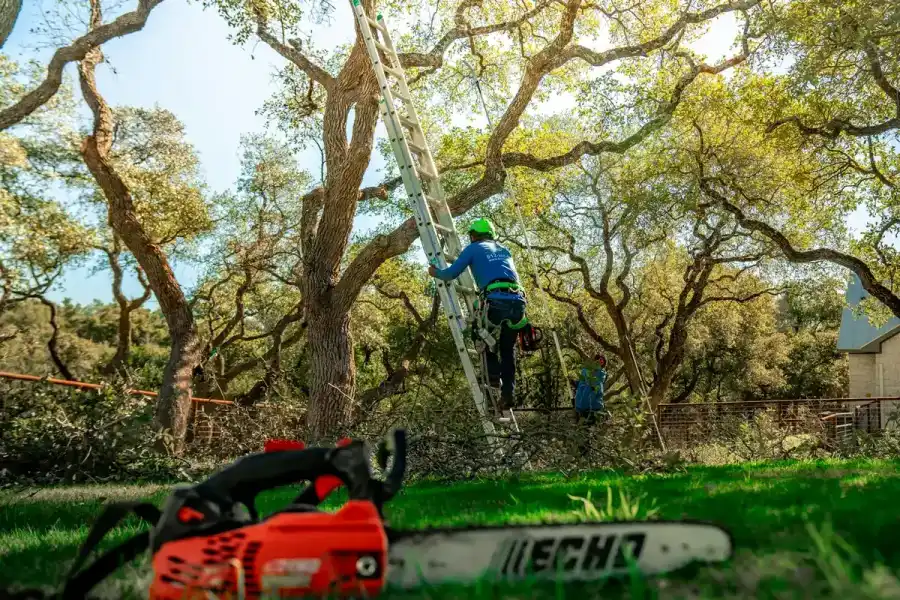
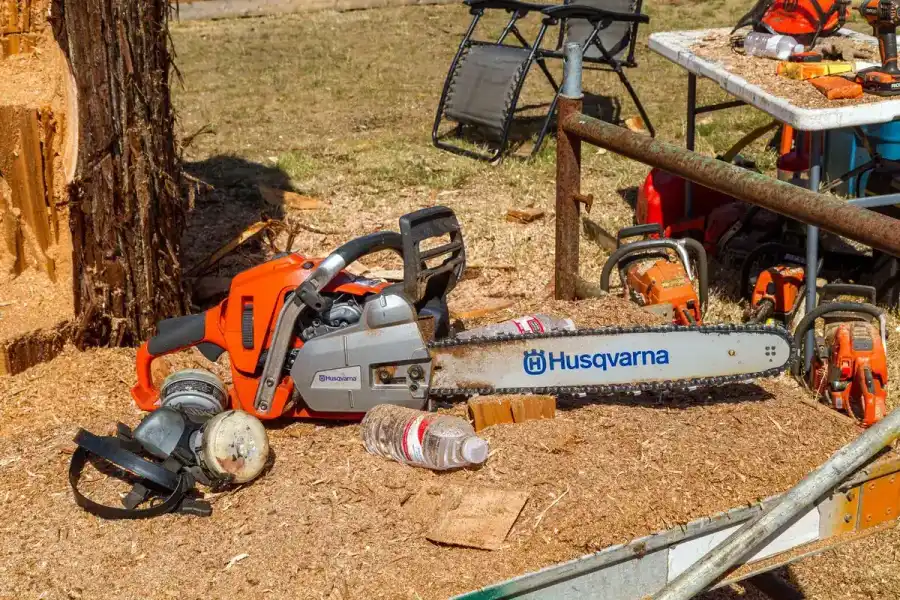
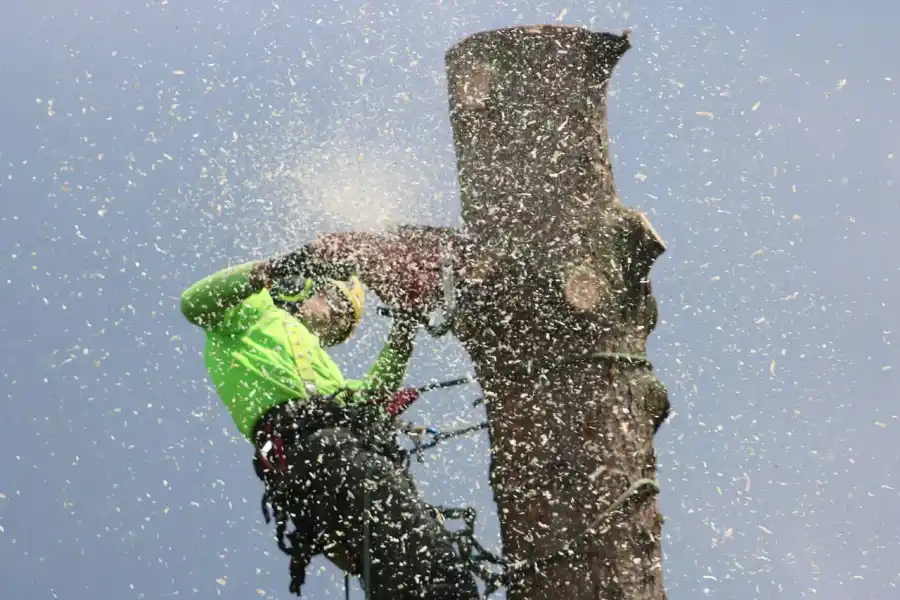
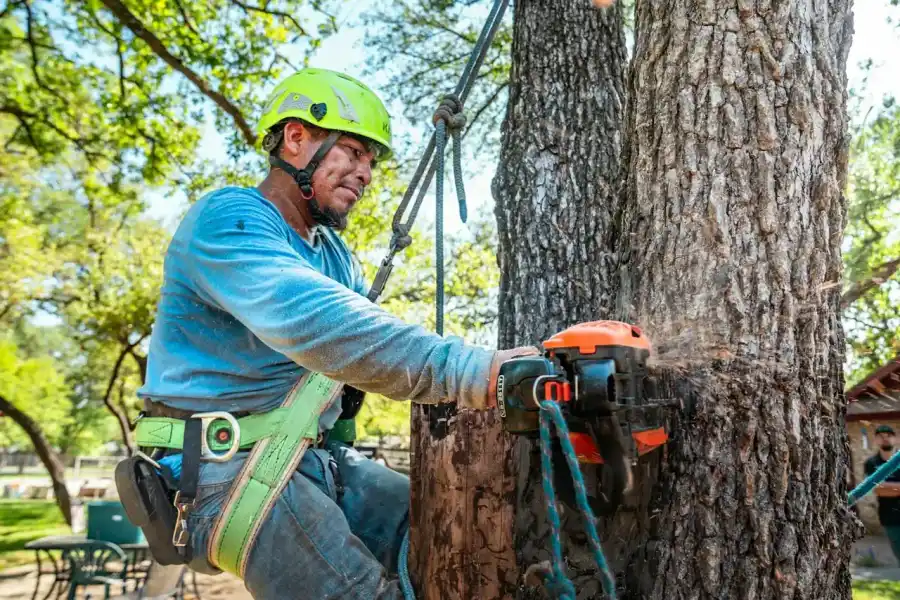
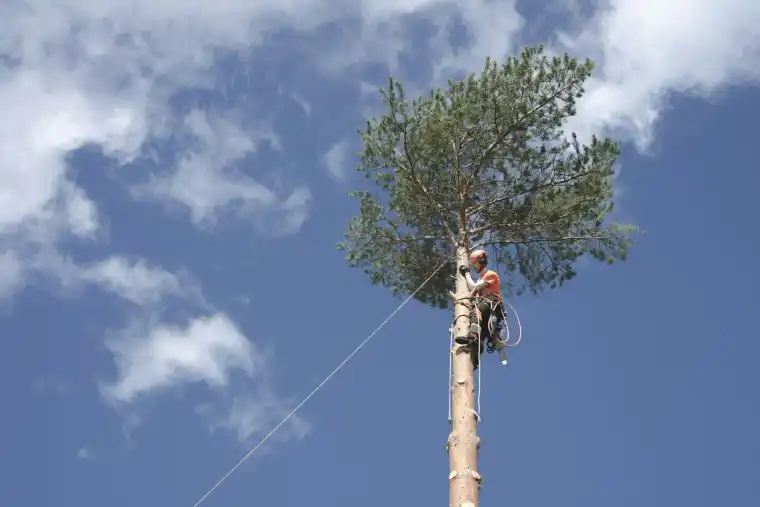
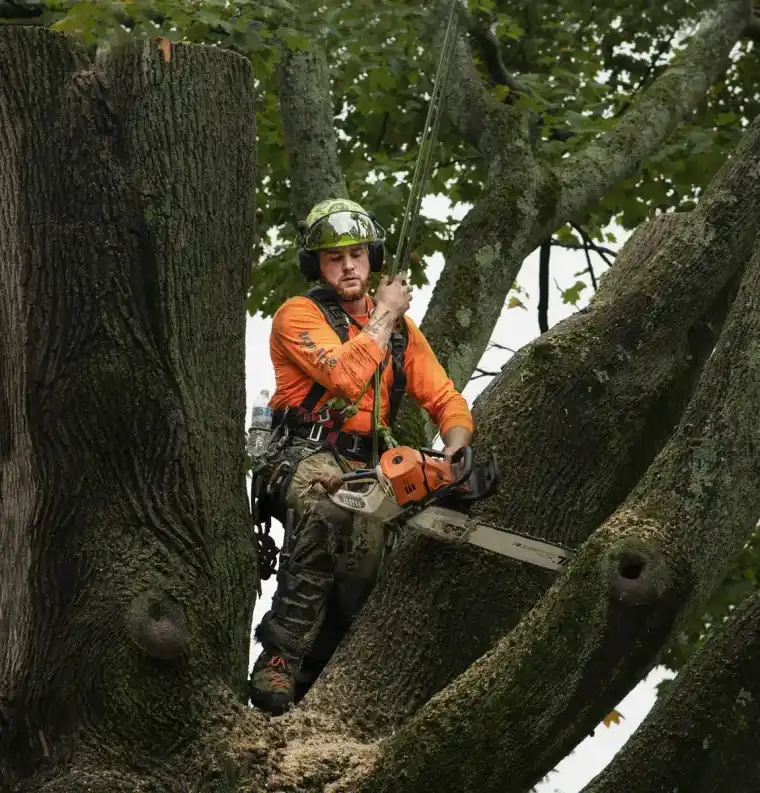
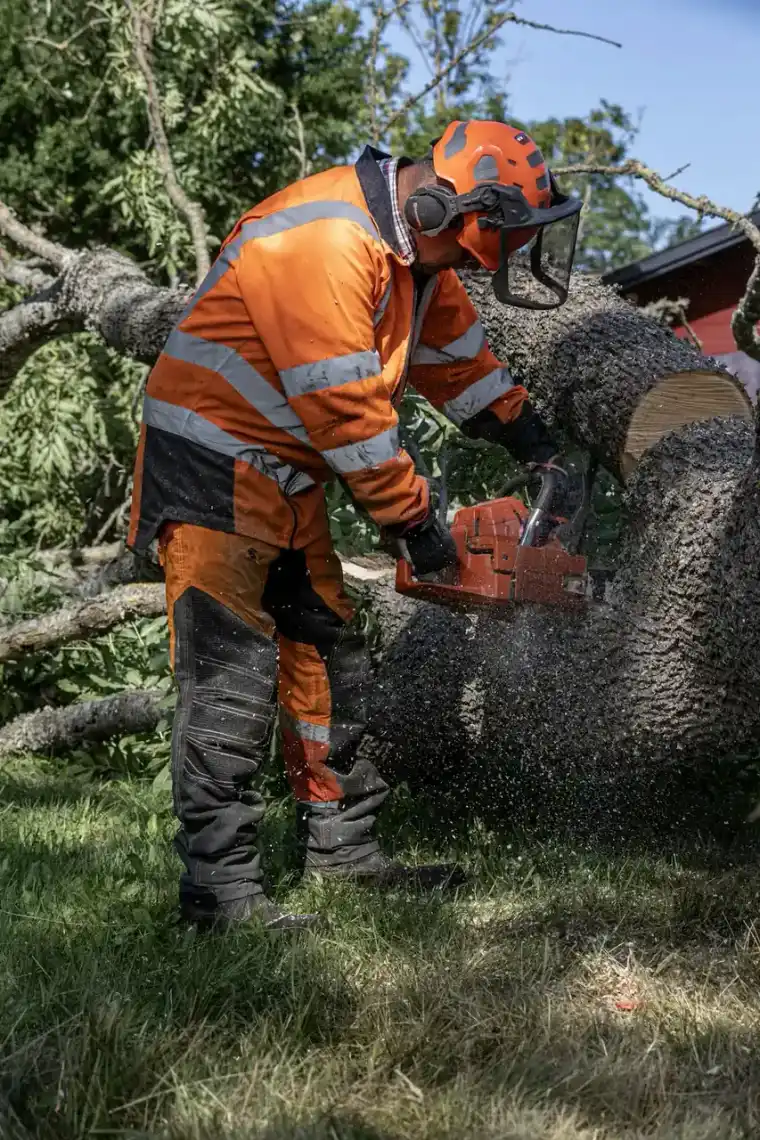
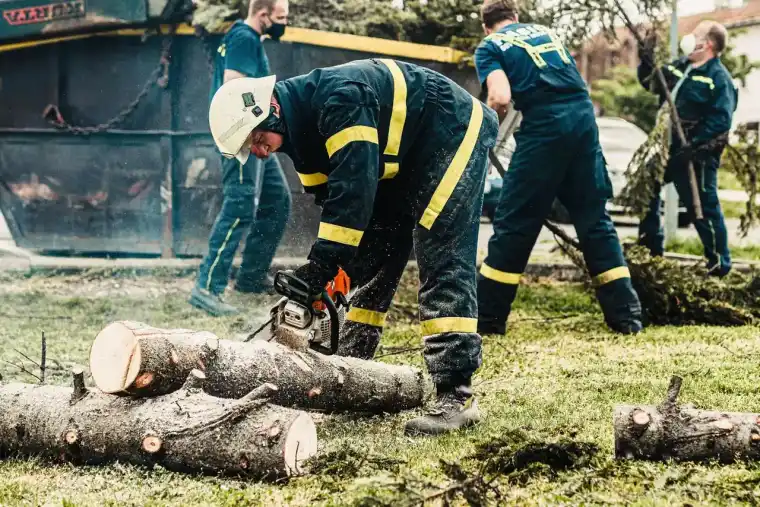
Representative of the work. Real job photography replaces these as the crews document jobs.
Coverage
Lawrence, Topeka, and everything between
We cover 14 towns across 5 counties. If your town is not pinned, call anyway. We are usually closer than you think.
- Home base
- 2229 Marvonne Rd
Lawrence, KS 66047 - Hours
- Mon to Fri
Often booked together
HOA Tree Programs
Annual tree programs for homeowner associations, with board-ready documentation and budgets.
Storm Response Contracts
A signed agreement that puts your property in the queue before the storm, not after.
Hazard Tree Evaluation
A written evaluation of whether a specific tree is likely to fail, and what to do about it.